Written by: Ethan Perry
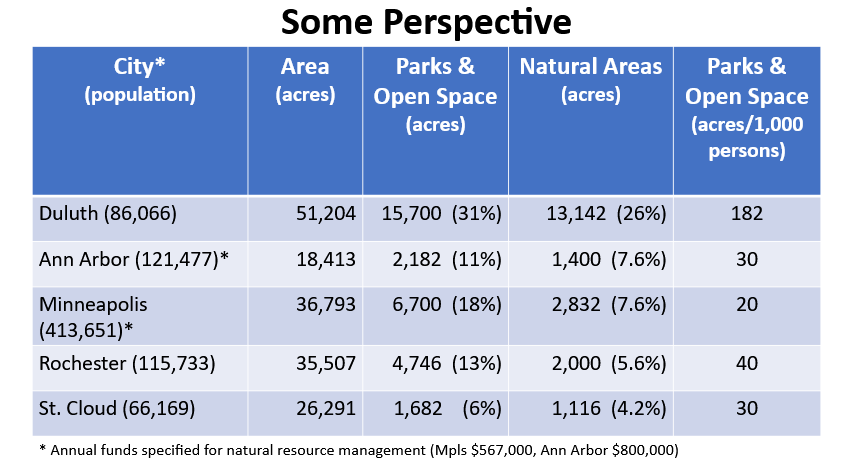
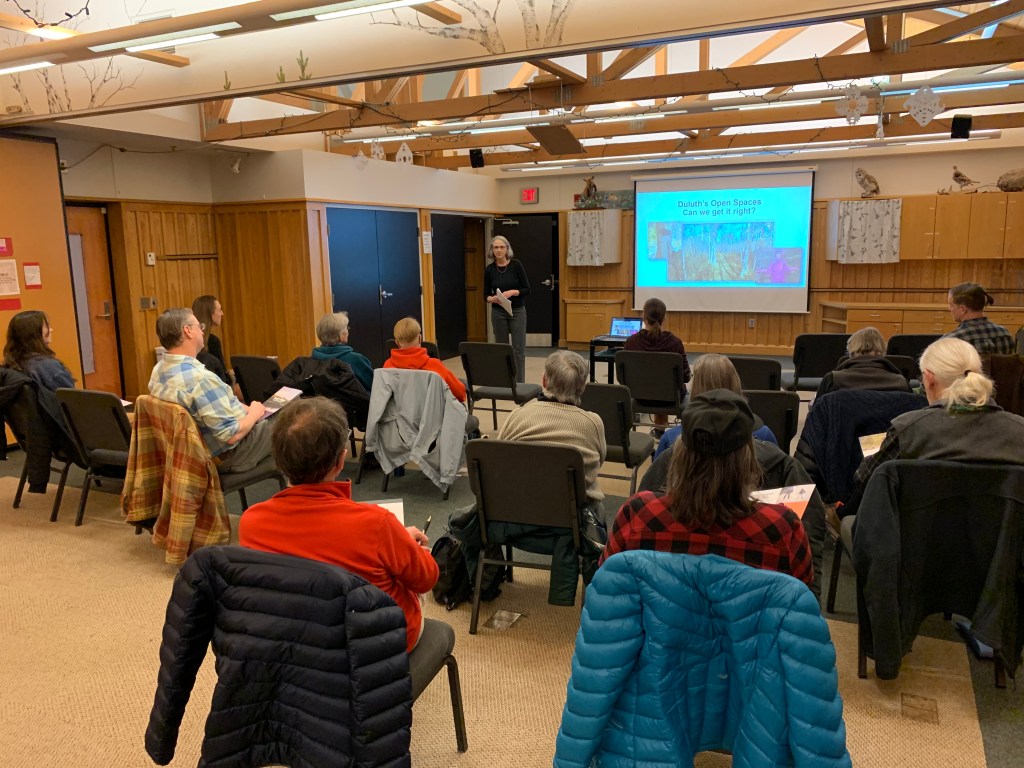
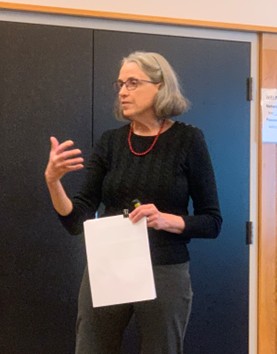
Diane Desotelle, long-time conservation planner and retired Duluth Natural Resources Coordinator, spoke to ANPE about the protection of natural areas in Duluth. The most remarkable slide in her presentation compared the amount of natural vegetation in various Midwestern cities. In Duluth 26% of the city is natural, or 182 acres for each 1,000 residents. All the other cities ranged from 4 to 7%, or only 20-40 acres per 1,000 people.
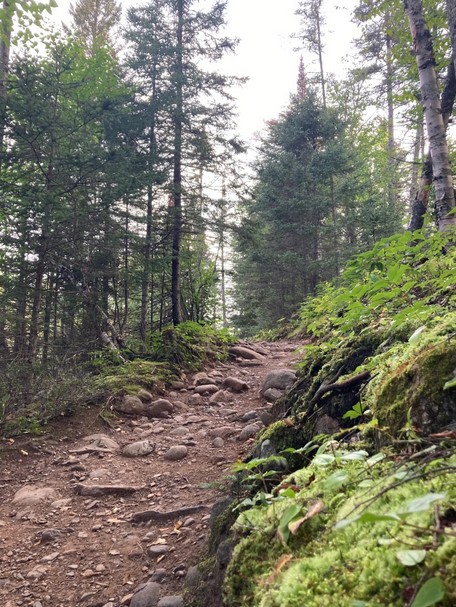
All those natural areas harbor an abundance of native plants wildlife and provides amble space for people to hike, bike, ski, fish, hunt, pick berries, etc. Diane pointed out that most people don’t realize that much of what they consider to be parkland is not actually designated as park. Much of it is county tax-forfeit, meaning it was once privately owned—long ago in most cases—and after property taxes stopped being paid, it reverted to the state. Minnesota grants counties the authority to manage these lands, even when they are inside a city. St. Louis County has a long
history of cooperating with Duluth for the public use of tax-forfeit lands, such as the Piedmont ski trail system. But the land is subject to sale at any time.
In recent years Duluth has been acquiring large portions of these tax-forfeit lands, using funds from Great Lakes Restoration Initiative grants administered by EPA. These lands will become city parks managed primarily for recreation. The private nonprofit Minnesota Land Trust (MLT) has been instrumental in bringing these funds to Duluth. Diane emphasized the critical nature of private citizens and conservation groups throughout Duluth’s history of park preservation. A
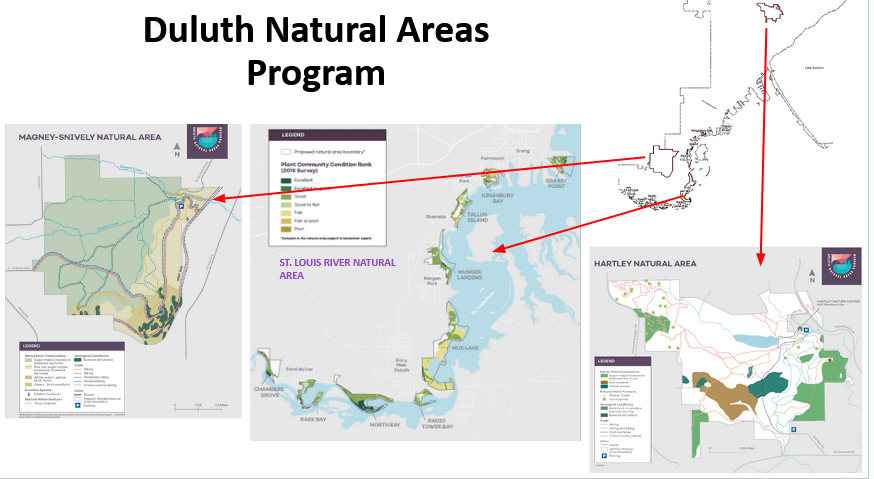
collaboration between the city and the private organization The Nature Conservancy developed a Natural Areas Program to add another layer of protection to biologically important places. Parks can be developed for recreation in a way that destroys native plant communities, but designated Natural Areas must be managed primarily for their natural features.
The first Natural Area designated was Magney-Snively, where we held our spring ephemeral walk last year. After that came a series of parcels in the St. Louis River estuary and Hartley Park. The next one will be along Amity Creek and the Lester River, nominated by MLT, Trout Unlimited, the South St. Louis Soil and Water Conservation District, and Hawk Ridge Bird Observatory. Duluth is fortunate to have so many citizens committed to preserving our natural splendor. To find out more about this history, check out the book Duluth’s Historic Parks from ANPE’s lending library. For everything you ever wanted to know about managing Duluth’s
natural areas, visit the city’s storymap.